Recently I receive a message from a gentlemen with the question of why “menopause hurts my wife to have intercourse.” Let me share with you the possible causes that I sent to him.
Pain during intercourse, also known as dyspareunia, can be a common issue for women going through menopause. Menopause is a natural transition that occurs when a woman’s reproductive hormone levels decline, which can lead to several physical and hormonal changes in the body. Some of the causes of pain during intercourse in women going through menopause include:
Vaginal Dryness
One of the most common causes of pain during intercourse in menopausal women is vaginal dryness. Declining estrogen levels can result in a thinning of the vaginal lining and reduced lubrication, making the vaginal tissues more prone to irritation and discomfort during intercourse.
Vaginal Atrophy
Vaginal atrophy refers to the shrinking and inflammation of the vaginal tissues due to decreased estrogen levels. This can result in a feeling of tightness, burning, or pain during intercourse.
Lack of Arousal
Menopause can also impact sexual desire and arousal. Reduced libido and arousal can lead to insufficient natural lubrication, making intercourse uncomfortable.
Changes in Vaginal pH
Menopausal hormonal changes can affect the pH balance in the vagina, making it more alkaline. This change in pH can make the vaginal environment less hospitable to healthy bacteria and more prone to infection, leading to discomfort during sex.
Vulvar and Vaginal Atrophy: The thinning of the vulvar and vaginal tissues can lead to vulnerability to microtears, which can cause pain during intercourse.
Psychological Factors
Menopause can bring about psychological changes, such as mood swings, anxiety, and stress, which can affect a woman’s ability to relax and enjoy intercourse. These emotional factors can contribute to discomfort and pain during sex.
Medical Conditions
Certain medical conditions that become more common with age, such as endometriosis, fibroids, and pelvic inflammatory disease, can cause pain during intercourse.
Medications
Some medications, including certain antidepressants and antihypertensive drugs, can have sexual side effects, including decreased vaginal lubrication and sexual discomfort.
Inadequate Foreplay
A lack of sufficient foreplay or inadequate sexual stimulation can contribute to pain during intercourse, as it can lead to reduced arousal and lubrication.
To address pain during intercourse in menopausal women, it’s essential to consider these potential causes. Treatment options may include using over-the-counter or prescription lubricants and moisturizers, hormone replacement therapy (HRT) to address estrogen deficiency, and communication with a healthcare provider to rule out underlying medical conditions. Psychological support and counseling can also help address any emotional factors contributing to pain during intercourse. It’s essential to consult with a healthcare professional to determine the underlying cause of the pain and develop an appropriate treatment plan.

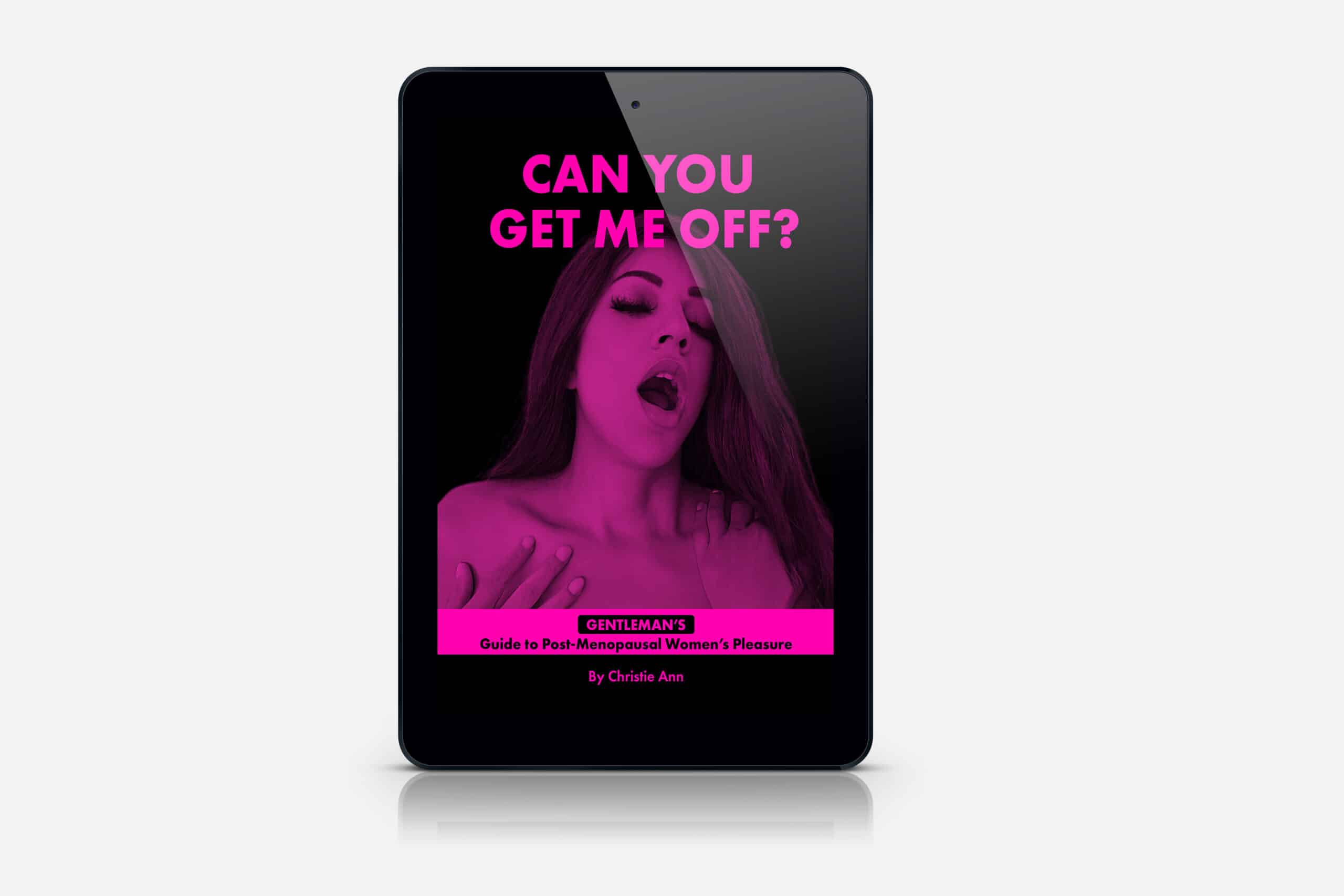
Curious to learn more about Sex After 50? Why not check my eBook, Can You Get Me Off, compiled to help you navigate through comfortable sex after Menopause.
Want to help your wife or girlfriend remedy her menopausal symptoms? Get this new hot guide!
Are you ready to learn tips and techniques to help a woman who has passed the age of menopause get wetter, be more aroused, and have better…more powerful orgasms?
Rather than waste hours, day, weeks, even years trying to find solutions to vaginal dryness, loss of elasticity, and sexual arousal and response, in less than 2 hours you can help your partner put to work the tips and tricks in “Can You Get Me Off – Gentleman’s Guide to Post-Menopausal Women’s Pleasure.”